Introduction
Pacman frogs are among the most fascinating amphibians kept in captivity. Their enormous mouths, colorful bodies, ambush-hunting behavior, and surprisingly relaxed lifestyle make them appealing to both beginners and experienced keepers. However, their simple appearance can be misleading. Good Pacman Frog Care depends on getting several environmental details right, especially substrate moisture, humidity, temperature, nutrition, and handling.
These frogs spend much of their time partially buried and waiting for prey rather than actively exploring their enclosure. They need a habitat that supports this natural behavior while allowing them to stay properly hydrated. A varied diet can include crickets, roaches, and earthworms such as nightcrawlers, while careful handling helps prevent unnecessary stress and accidental bites.
This guide explains practical Pacman Frog Care from enclosure humidity and substrate maintenance to nightcrawler feeding and safe handling, so you can create a healthy environment for your horned frog.
Pacman Frog Care and Natural Behavior
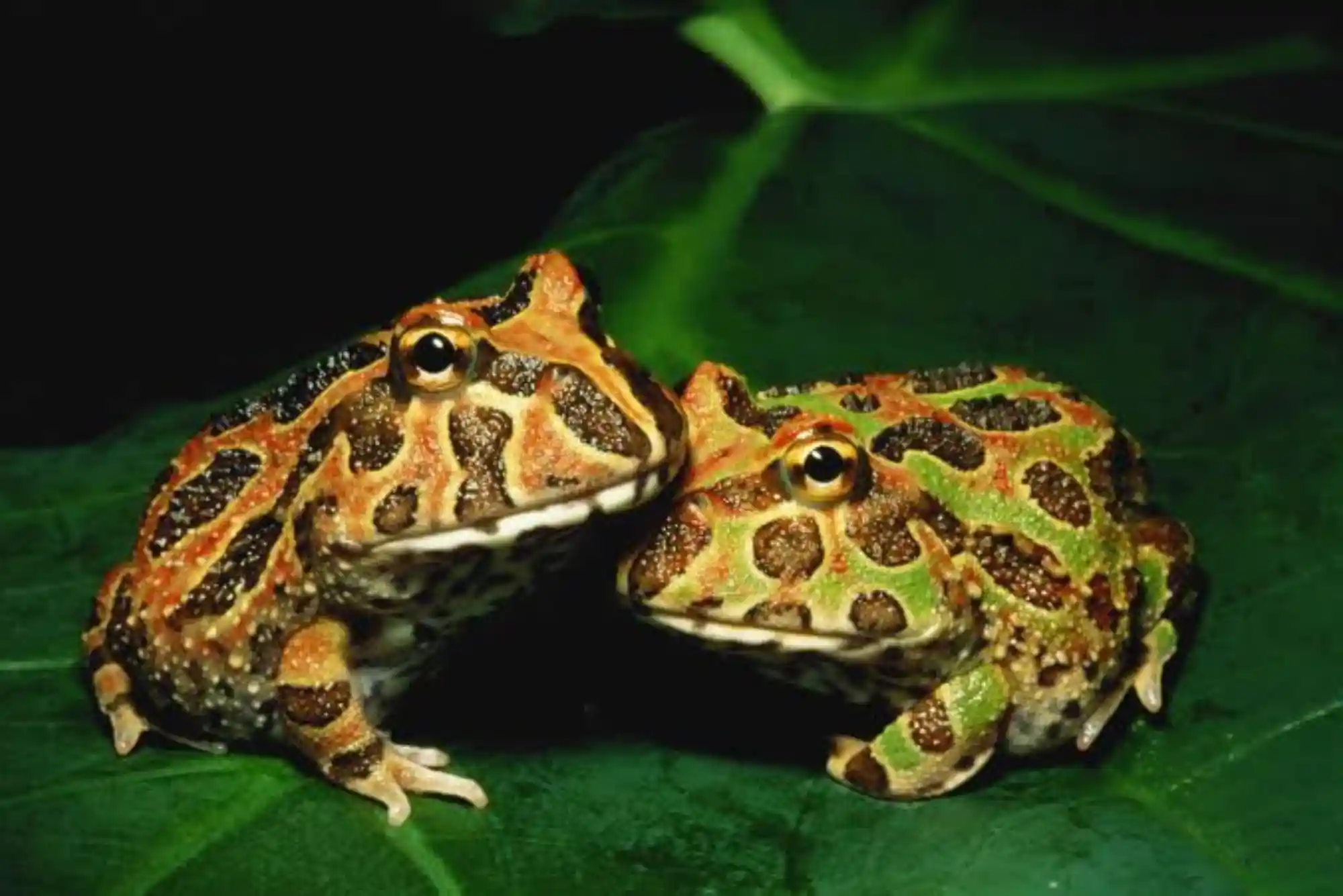
Pacman frogs belong to the Ceratophrys genus and are native to parts of South America. Commonly kept forms include the Cranwell’s horned frog and ornate horned frog. They are terrestrial, ambush predators that rely on camouflage and patience rather than constant movement.
A healthy Pacman frog may spend hours sitting in one position with only its eyes and head visible above the substrate. This behavior is normal and should not automatically be interpreted as inactivity or illness. Their enclosure should therefore prioritize usable floor space and suitable digging material rather than height.
Pacman frogs are also solitary animals. They should generally be housed individually because they may attempt to bite or consume another frog if housed together. Their powerful feeding response means even a smaller companion can become prey.

Pacman Frog Enclosure Setup
A suitable enclosure does not need to be elaborate, but it does need to provide the right environmental conditions. Adult Pacman frogs are commonly housed in enclosures around 10 to 20 gallons, depending on the animal’s size and the dimensions of the enclosure.
The most important feature is adequate substrate depth. Pacman frogs naturally burrow, so the enclosure should contain several inches of loose, moisture-retaining substrate that allows the frog to partially or completely bury itself.
Coconut fiber or another amphibian-safe substrate that holds moisture without becoming waterlogged can work well. The substrate should feel damp rather than muddy. Josh’s Frogs recommends checking moisture by squeezing a handful: properly hydrated material should hold together without excessive dripping.
Creating a Comfortable Enclosure
The enclosure should include a shallow, stable water dish with clean, dechlorinated water. Even though Pacman frogs obtain moisture through their skin and from their surroundings, access to clean water is an important part of good Pacman Frog Care.
A hide or suitable piece of natural-looking cover can provide additional security. Plants may also be used if they are safe for amphibians and firmly established so that the frog cannot easily destroy them while burrowing.
Good ventilation is equally important. It can seem logical to seal an enclosure tightly to maintain humidity, but stagnant, overly humid conditions can encourage bacterial problems. A balance between humidity and airflow is much healthier.
Pacman Frog Care: Humidity and Substrate Moisture
Humidity is one of the most important parts of Pacman Frog Care because these amphibians have highly permeable skin. A commonly recommended relative humidity range for captive Pacman frogs is around 60–70%.
However, humidity should not be treated as the only measurement that matters. A hygrometer might show an acceptable percentage while the substrate itself is becoming too dry. Since Pacman frogs spend so much time buried, substrate moisture is especially important.
Use a reliable digital hygrometer to monitor the enclosure. If the substrate begins drying out, add appropriately treated water gradually rather than flooding the enclosure.
How to Keep Humidity Stable
Humidity can be maintained by using moisture-retaining substrate, providing a water dish, and lightly misting when necessary. The goal is a consistently humid environment rather than a constantly wet enclosure.
If you notice condensation covering the enclosure walls for prolonged periods or the substrate becoming saturated, increase ventilation and allow excess moisture to escape. Constantly soggy conditions are not a substitute for proper humidity.
Clean water should always be dechlorinated because amphibian skin can absorb substances directly from the surrounding water.
Temperature Requirements for Pacman Frogs
Temperature is another major component of successful Pacman Frog Care. A commonly used target range is approximately 72–78°F, with digital temperature monitoring recommended.
Avoid excessive heat. High temperatures, particularly when combined with inadequate hydration, can become dangerous for Pacman frogs. Some care references use slightly different temperature ranges, so keepers should consider the particular species, enclosure design, and recommendations from an experienced amphibian veterinarian or reputable breeder.
A digital thermometer with a probe is preferable to guessing based on room temperature. Monitor the enclosure consistently rather than checking only when the frog appears uncomfortable.
Pacman Frog Diet: Why Nightcrawlers Matter
Pacman frogs have famously large appetites, but feeding them correctly means more than simply offering as much food as they will accept. A varied diet helps provide broader nutrition while preventing the frog from becoming dependent on one feeder.
Crickets, dubia roaches, earthworms, and nightcrawlers can all be useful food items. Josh’s Frogs specifically lists nightcrawlers among foods used for both young and adult Pacman frogs.
Nightcrawlers are particularly useful because they are soft-bodied and naturally suited to a predatory amphibian’s diet. They can be offered whole when appropriately sized or cut into manageable portions for smaller frogs.
Choosing the Right Nightcrawler Size
Food should be appropriately sized for the frog. A young Pacman frog should not be given an enormous prey item simply because it can technically swallow it.
For juveniles, smaller pieces of nightcrawler may be easier to manage. Adults can generally handle whole nightcrawlers. Observe how your frog responds during feeding and adjust the size accordingly.
Nightcrawlers should come from a reliable source intended for feeding animals. Avoid worms collected from areas that may have been exposed to pesticides, fertilizers, or other chemicals.
How Often Should a Pacman Frog Eat?
Feeding frequency depends on age, body condition, temperature, and individual appetite. Young, growing frogs generally require more frequent feeding than mature adults.
Rather than following a rigid schedule without observing the frog, monitor body condition and growth. A Pacman frog should have a healthy, rounded appearance without becoming excessively obese.
Live feeders should also be appropriately supplemented with vitamins and minerals according to a suitable amphibian supplementation schedule. Josh’s Frogs recommends vitamin and mineral supplementation for captive Pacman frogs.
Safe Feeding Practices
Pacman frogs are ambush predators with a powerful feeding response. Their strike can be surprisingly fast, especially when they see movement close to their face.
For this reason, feeding with long feeding tongs is safer than presenting food with your fingers. It reduces the chance that your frog will mistake your hand for prey.
Never encourage a Pacman frog to repeatedly strike at your fingers. Even when the behavior looks amusing, an accidental bite can cause injury to the keeper and unnecessary stress for the animal.
Remove uneaten prey when appropriate, particularly if live insects remain in the enclosure and could bother the frog.
Pacman Frog Handling: Keep It Minimal
Handling is one area where new keepers often have unrealistic expectations. Pacman frogs are better viewed as observation pets rather than animals that need frequent physical interaction.
Their skin is delicate and important for hydration and respiration. Frequent handling can interfere with their normal behavior and expose them to substances on human skin. Josh’s Frogs specifically describes Pacman frogs as animals that should not be handled except when necessary.
When handling is unavoidable, such as during enclosure cleaning or veterinary examination, use clean, wet hands or suitable amphibian-safe gloves that have been thoroughly rinsed and contain no residues. Support the frog gently and keep handling time short.
Why Pacman Frogs May Bite
A Pacman frog does not necessarily bite because it is aggressive toward its keeper. Its feeding strategy is based on striking moving objects that come within range.
Large Pacman frogs can deliver painful bites, and their feeding response can be difficult to distinguish from defensive behavior in the moment. This is another reason feeding tongs are preferable to hand feeding.
Never pull suddenly if the frog grabs something. Instead, avoid creating situations where your fingers can become mistaken for prey in the first place.
Cleaning and Daily Pacman Frog Care
Good Pacman Frog Care involves consistent observation rather than complicated daily work. Check the temperature and humidity, make sure the water dish contains clean treated water, and inspect the substrate for waste.
Spot-clean obvious waste as soon as practical. Replace substrate when it becomes excessively dirty or difficult to maintain hygienically.
During cleaning, temporarily place the frog in a secure, appropriately prepared container. Avoid using household cleaning products around the enclosure unless they are specifically safe for amphibian habitats and are thoroughly rinsed away.
Pay attention to changes in behavior. A frog that suddenly refuses food, remains unusually exposed, develops abnormal skin changes, or shows other concerning symptoms should be assessed by an amphibian-experienced veterinarian.
Common Pacman Frog Care Mistakes
One of the most common mistakes is assuming that because Pacman frogs are relatively easy to keep, environmental monitoring is unnecessary. In reality, temperature and humidity problems can become serious before a keeper notices obvious symptoms.
Another mistake is keeping the substrate too dry. Because these frogs spend much of their lives buried, moisture within the substrate is particularly important.
Overfeeding is another frequent issue. Pacman frogs are enthusiastic eaters and may continue attempting to eat even when they have already consumed enough. Feeding should therefore be based on age, body condition, prey size, and overall health rather than appetite alone.
Finally, avoid excessive handling. The fact that a frog remains still while being held does not necessarily mean it enjoys the interaction.
How to Know Your Pacman Frog Is Doing Well
Healthy Pacman Frog Care should produce a frog that maintains an appropriate body condition, responds normally to food, burrows naturally, and has healthy-looking skin.
Remember that Pacman frogs can spend long periods underground. A frog that disappears beneath its substrate is often simply behaving naturally.
Regular observation is more useful than disturbing the animal repeatedly. Learn your frog’s normal pattern of feeding, burrowing, shedding, and activity so that genuine changes are easier to recognize.
Build a Stable Routine for Better Pacman Frog Care
Successful Pacman Frog Care is less about complicated equipment and more about consistency. Give your frog moisture-retaining substrate, appropriate humidity, safe temperatures, clean dechlorinated water, suitable food, and a quiet environment where it can burrow naturally.
Nightcrawlers can be an excellent component of a varied diet, while feeding tongs help prevent accidental bites. Most importantly, resist the urge to handle your frog frequently. These unusual amphibians are at their best when they can behave naturally and spend much of their time undisturbed.
FAQs
How often should you mist a Pacman frog?
There is no universal misting schedule because enclosure ventilation, substrate type, room conditions, and humidity all affect moisture levels. Mist or rehydrate the enclosure when the substrate is becoming too dry, while avoiding constantly saturated conditions. A digital hygrometer can help you monitor the overall environment.
What is the best humidity for a Pacman frog?
A commonly recommended relative humidity range is approximately 60–70%. However, humidity should be considered alongside substrate moisture and ventilation. Keeping the enclosure permanently wet is not the goal.
Can Pacman frogs eat nightcrawlers?
Yes. Nightcrawlers are an appropriate feeder for Pacman frogs when sourced safely and offered in a suitable size. Adults can generally consume whole nightcrawlers, while smaller frogs may need appropriately sized pieces.
How often should I feed my Pacman frog?
Feeding frequency varies according to age, size, temperature, and body condition. Young frogs generally eat more frequently than adults. Rather than allowing a Pacman frog to eat without limits, monitor its body condition and adjust feeding accordingly.
Do Pacman frogs like to be handled?
Pacman frogs are generally not suitable for frequent handling. Their sensitive skin and strong feeding response make unnecessary handling undesirable. Handle them only when needed for cleaning, transfer, or health-related purposes.
Can you keep two Pacman frogs together?
It is generally recommended to house Pacman frogs individually. They are solitary, aggressive feeders and may bite or attempt to eat another frog housed with them.
Why is my Pacman frog buried all day?
Burrowing is normal Pacman frog behavior. These frogs are ambush predators that naturally spend substantial amounts of time partially or completely buried while waiting for prey. If your frog is otherwise behaving normally, burrowing alone is not usually a reason for concern.