
Introduction
GI stasis in rabbits is a serious digestive problem that can become life-threatening without prompt attention. Rabbits have a sensitive gastrointestinal system that depends on regular food intake and movement. When digestion slows or stops, gas can build up and cause significant pain. This can quickly lead to dehydration, weakness, and other complications.
Understanding GI Stasis in Rabbits: Early Warning Signs, Emergency Care & Prevention can help owners respond before a minor digestive change becomes an emergency. A rabbit that suddenly stops eating, produces fewer droppings, or becomes unusually quiet should never be ignored. Early action can make a major difference.
For broader information about common conditions, symptoms, and preventative care, explore Rabbit Health & Illness. Learning how rabbits normally behave makes unusual changes easier to recognize.
What Is GI Stasis in Rabbits?
GI stasis occurs when the normal movement of food through a rabbit’s digestive tract becomes significantly reduced or stops. This process is also called gastrointestinal hypomotility. It is not simply a case of a rabbit feeling slightly unwell.
A healthy rabbit needs constant movement through its digestive system. Hay provides essential fibre that supports this process. When a rabbit eats less fibre, digestive movement can slow down. Pain, stress, dental disease, dehydration, and other illnesses can also trigger the condition.
As digestion slows, food and gas may accumulate inside the gastrointestinal tract. This can create painful pressure and make the rabbit even less willing to eat. The resulting cycle can become increasingly dangerous.

Early Warning Signs of GI Stasis in Rabbits
The earliest signs can be subtle. Rabbits often hide illness because they are prey animals. Therefore, owners should pay close attention to changes in eating, droppings, activity, and behaviour.
A reduced appetite is one of the most important warning signs. Your rabbit may ignore hay or eat fewer pellets than usual. Some rabbits may accept favourite treats but refuse their normal food. Even this partial change deserves attention.
Reduced or unusually small droppings are another major warning sign. A healthy rabbit should produce regular amounts of firm, round faecal pellets throughout the day. Fewer droppings can indicate that less food is moving through the digestive tract.
Behavioural changes can also appear. A rabbit experiencing abdominal discomfort may become quiet, withdrawn, or reluctant to move. Some rabbits sit hunched with their body compressed because this position may reduce discomfort.
Other symptoms can include tooth grinding, a swollen abdomen, weakness, dehydration, and reluctance to move. In severe cases, the rabbit may stop eating completely and become extremely lethargic.
Why GI Stasis Can Become an Emergency
GI stasis can worsen rapidly because rabbits cannot safely go without food for extended periods. Reduced food intake can further slow gastrointestinal movement. This creates a harmful cycle that becomes increasingly difficult to break.
Gas accumulation is particularly painful. Rabbits cannot easily vomit or relieve gastrointestinal pressure like some other animals. Severe abdominal discomfort can therefore contribute to further appetite loss.
Underlying problems can also remain hidden. Dental disease, urinary problems, infections, injuries, or other painful conditions may cause a rabbit to stop eating. Treating only the digestive symptoms may not resolve the real cause.
For this reason, suspected GI stasis should be treated seriously. A rabbit that has stopped eating or producing normal droppings needs prompt veterinary assessment, especially when other symptoms are present.
Emergency Care for GI Stasis in Rabbits
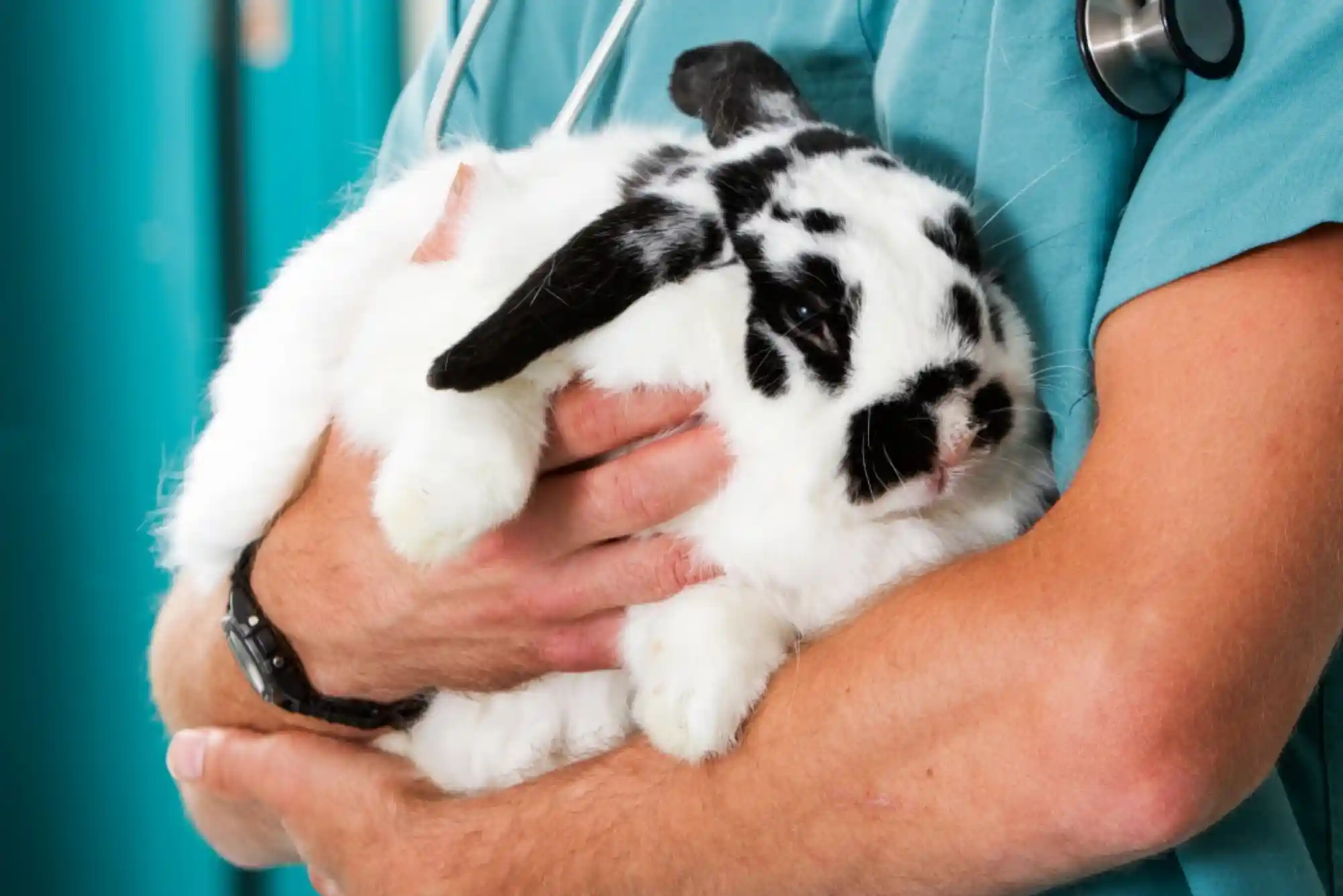
If you suspect GI stasis, contact a rabbit-experienced veterinarian as soon as possible. Professional assessment is important because treatment depends on the underlying cause and severity.
A veterinarian may examine the rabbit’s abdomen, teeth, hydration status, temperature, and overall condition. In some cases, diagnostic imaging may be needed to determine whether an obstruction or another serious problem is present.
Treatment may involve fluids, pain relief, nutritional support, and medication prescribed by the veterinarian. If an obstruction is suspected, treatment can differ significantly from routine supportive care.
Owners should be cautious about attempting home treatment without veterinary guidance. Force-feeding a rabbit can be dangerous when an intestinal obstruction is possible. Your veterinarian should determine whether assisted feeding is appropriate.
When assisted nutrition is recommended, your veterinarian may explain how to provide appropriate recovery food safely. The Critical Care Syringe Feeding resources from the Rabbit.org community can also provide useful educational guidance for rabbit owners.
Never delay veterinary care simply because your rabbit accepts a small amount of food. A rabbit may continue eating tiny quantities while a serious problem is developing.
Common Causes of GI Stasis
GI stasis is often a symptom rather than a disease with one single cause. Identifying the trigger is essential for preventing another episode.
A diet that lacks sufficient fibre is a common contributing factor. Hay should form the foundation of a healthy adult rabbit’s diet because its long fibres support normal digestive activity.
Dental problems can also contribute to digestive slowdown. Rabbits’ teeth grow continuously, and painful dental conditions can make chewing difficult. A rabbit may therefore eat less because food becomes uncomfortable.
Stress is another possible factor. Environmental changes, loud noises, travel, social conflict, or sudden changes in routine can affect a rabbit’s appetite and digestive function.
Pain from another illness can also trigger reduced eating. Urinary problems, injuries, infections, and other conditions may indirectly lead to gastrointestinal slowdown.
Dehydration can make the situation worse. Fresh water should always be available, and owners should monitor drinking habits for unusual changes.
Preventing GI Stasis in Rabbits
Prevention begins with a high-fibre diet. Unlimited good-quality hay should generally be available throughout the day. Hay encourages chewing and provides the fibre needed for healthy digestive movement.
Fresh leafy greens can complement a balanced rabbit diet when introduced appropriately. Pellets should be fed in suitable quantities rather than replacing the fibre provided by hay.
Regular exercise is equally important. Rabbits need enough space to move, explore, stretch, and exercise naturally. Physical activity supports overall wellbeing and can encourage normal gastrointestinal movement.
Dental care should also be part of routine health management. Regular veterinary examinations can help identify dental issues before they interfere with eating.
Owners should monitor normal habits every day. Pay attention to appetite, water intake, droppings, energy levels, and behaviour. Knowing what is normal for your rabbit makes changes much easier to identify.
Avoid sudden dietary changes whenever possible. New foods should be introduced gradually so the digestive system has time to adjust.
You can find additional educational resources and animal-care information through Groundfacts, which can help owners build a stronger understanding of rabbit health and responsible care.
What Should You Do If Your Rabbit Stops Eating?
A rabbit that suddenly stops eating should be taken seriously. Do not assume the rabbit will recover naturally after a few hours.
First, assess whether the rabbit is producing normal droppings and behaving normally. Check whether it is drinking and whether it shows signs of pain or abdominal discomfort.
Then contact a rabbit-experienced veterinarian promptly. Explain when the rabbit last ate normally and when you last noticed normal droppings. These details can help the veterinarian assess the situation.
Avoid giving random medications or human digestive remedies. Some products can be harmful to rabbits or may mask important symptoms.
The most important principle is simple: reduced appetite in a rabbit is a health warning, not merely a feeding preference.
How Diet Supports Healthy Digestion
A rabbit’s digestive system is designed around a high-fibre diet. Hay helps maintain normal intestinal movement while also supporting healthy tooth wear.
Fresh water is equally important. Rabbits should have consistent access to clean drinking water. Water intake can become particularly important during periods of illness or reduced appetite.
Treats should remain limited. Excessive sugary foods can disrupt dietary balance and encourage poor eating habits. A rabbit that fills up on treats may consume less hay.
A consistent feeding routine can also make changes easier to detect. When you know how much your rabbit normally eats, sudden reductions become obvious sooner.
FAQ
What are the first signs of GI stasis in rabbits?
The first signs often include reduced appetite, fewer droppings, smaller faecal pellets, reduced activity, and unusual quietness. Some rabbits may also sit hunched or show signs of abdominal discomfort. Any significant change in eating or droppings deserves prompt attention.
How long can a rabbit go without eating?
Rabbits should not be allowed to go without food for an extended period. Their digestive systems rely on regular fibre intake. If your rabbit stops eating, contact a veterinarian promptly rather than waiting to see whether the problem resolves.
Can GI stasis in rabbits be treated at home?
Mild digestive problems may sometimes improve with veterinary-directed supportive care. However, suspected GI stasis should not be managed solely at home. An obstruction or painful underlying illness must be ruled out before certain treatments are attempted.
What causes GI stasis in rabbits?
Common contributing factors include insufficient fibre, dental disease, dehydration, stress, pain, illness, and sudden dietary changes. GI stasis can therefore indicate another health problem that requires treatment.
How can I prevent GI stasis in my rabbit?
Provide plenty of quality hay, fresh water, appropriate vegetables, controlled pellet portions, and regular exercise. Routine veterinary examinations are also important. Monitoring appetite and droppings daily can help identify problems early.
Conclusion
GI stasis in rabbits can become a serious emergency, but early recognition gives owners a better opportunity to seek appropriate treatment quickly. Changes in appetite, droppings, behaviour, and activity should never be dismissed.