Introduction
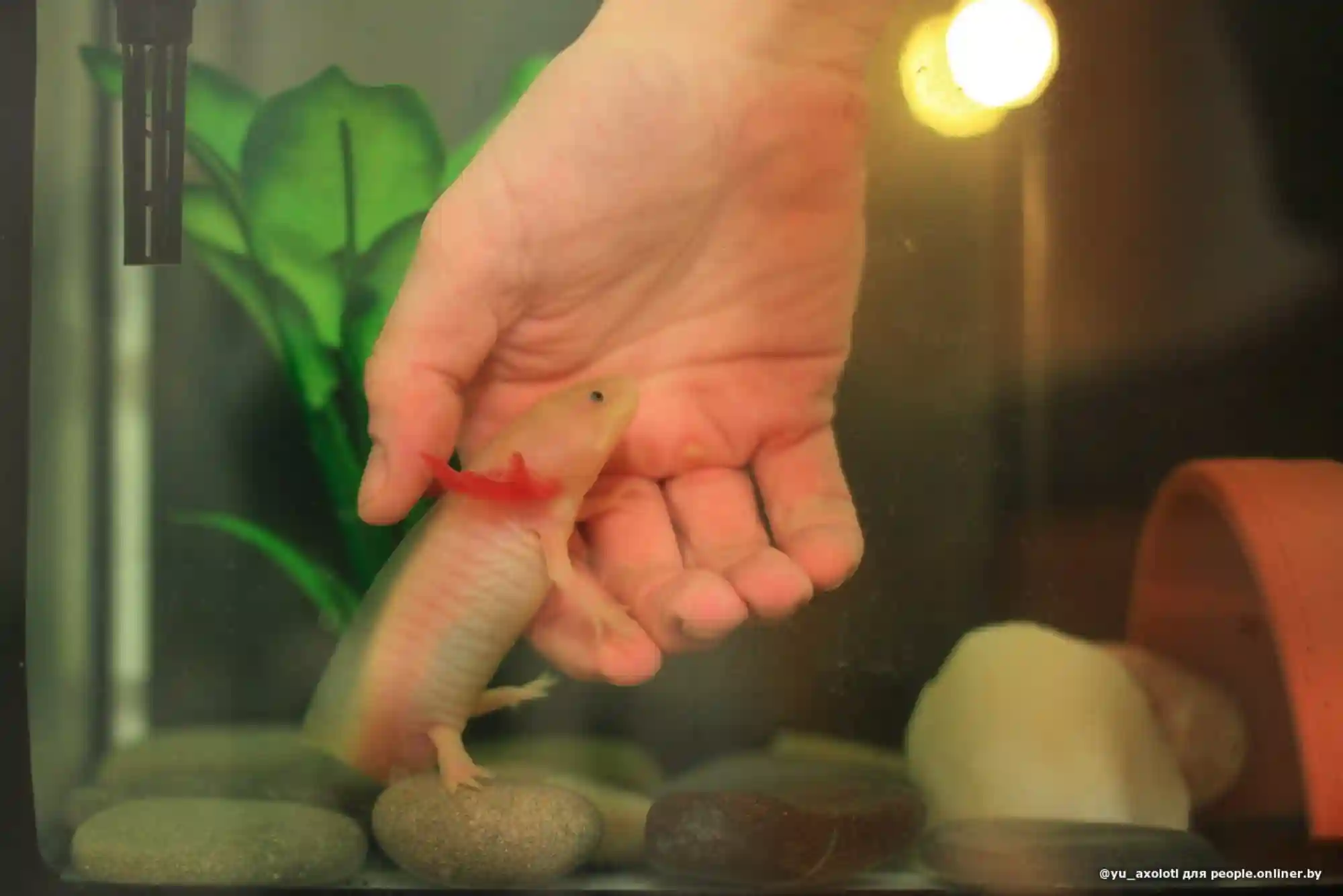
An axolotl is a fascinating aquatic salamander with unusual looks and surprisingly specific care needs. Unlike many common aquarium pets, axolotls require cool, clean, and stable water. Temperature control and biological filtration are especially important for their long-term health.
This Axolotl Care Guide: Water Chiller, Cold Temperature & Cycling Filter explains the essentials of maintaining a suitable aquarium. You will learn why cold water matters, when a water chiller is useful, and how to establish a properly cycled filter.
The goal is not simply to keep an axolotl alive. Good care should create a stable environment where your pet can eat, grow, and behave naturally.
Understanding Axolotl Water Requirements
Axolotls are cold-water amphibians. Their bodies are adapted to cooler aquatic environments, so warm aquarium water can become a serious problem.
For most captive axolotls, water around 16–18°C (60–64°F) is a comfortable target. Temperatures should remain stable rather than repeatedly rising and falling.
Water that becomes too warm can increase stress and reduce dissolved oxygen. It can also encourage harmful microorganisms and contribute to health problems.

Because of this, temperature should be checked regularly with a reliable aquarium thermometer. Do not rely on room temperature alone.
An Axolotl Care Guide: Water Chiller, Cold Temperature & Cycling Filter approach always starts with stable water conditions. Temperature and filtration work together to create a healthier aquarium.
Why Axolotls Need Cold Water
Cold water is important because axolotls naturally function best at relatively low temperatures. Their metabolism changes as the surrounding water becomes warmer.
When water stays too warm, an axolotl may become stressed or unusually inactive. Appetite can also change.
Warm water holds less dissolved oxygen than cooler water. This matters because axolotls rely on oxygen-rich water for normal respiration.
Long periods of excessive heat can therefore create several problems at once. The animal may experience stress while water quality becomes harder to maintain.
For this reason, keeping an aquarium cool should be considered a basic part of responsible axolotl husbandry.
What Temperature Is Too Warm for an Axolotl?
There is no single temperature that instantly makes every axolotl sick. However, consistently warm water should be treated as a warning sign.
Water above the preferred range can increase stress, particularly when temperatures remain elevated for extended periods.
Temperatures around or above 24°C (75°F) are generally considered too warm for routine axolotl keeping. Even lower temperatures can cause problems if the animal has no opportunity to cool down.
During summer, aquarium temperature can rise quickly. This is especially common in rooms without air conditioning.
Therefore, temperature control should be planned before purchasing an axolotl rather than added after problems appear.
Does an Axolotl Need a Water Chiller?
A water chiller is not automatically necessary for every axolotl aquarium. Its usefulness depends largely on your room temperature.
If your aquarium naturally remains within a safe cool range, additional cooling may not be required. However, a chiller can become extremely useful when indoor temperatures regularly rise.
An aquarium chiller removes heat from the water and helps maintain a consistent temperature. This is more reliable than repeatedly adding frozen bottles.
A chiller can be particularly helpful during hot summers. It also provides greater temperature stability when household temperatures fluctuate.
For serious keepers, a quality chiller can make temperature management much easier. However, it should be correctly sized for the aquarium.
How to Keep an Axolotl Tank Cool Without a Chiller
Not every aquarium requires a dedicated cooling unit. Several environmental changes can reduce water temperature.
Keeping the aquarium away from direct sunlight is an important first step. Sunlight can heat both the glass and the water.
The aquarium should also be positioned away from radiators, heaters, ovens, and other heat-producing appliances.
A room fan can help with evaporative cooling. However, evaporation also lowers the water level, so the aquarium must be monitored carefully.
Frozen water bottles are sometimes used during temporary heat problems. They can provide short-term relief, but they are not ideal as a permanent solution.
Sudden temperature changes should also be avoided. Gradual and stable cooling is safer than repeatedly making large temperature adjustments.
Choosing a Water Chiller
If your home regularly becomes too warm, selecting the right chiller is important. The chiller should match your aquarium volume and expected room temperature.
An undersized unit may struggle to maintain the target temperature. An oversized system can also be inefficient and unnecessarily expensive.
Look for a reliable aquarium-specific cooling system. It should provide appropriate water flow and have dependable temperature controls.
Noise is another consideration. Some chillers produce noticeable sound, which may matter if the aquarium is located in a bedroom or living area.
Always follow the manufacturer’s installation instructions. Incorrect plumbing can reduce cooling performance and potentially damage equipment.
Understanding the Aquarium Nitrogen Cycle
Temperature is only one part of axolotl care. Water quality is equally important.
A new aquarium should be biologically cycled before an axolotl is introduced. Cycling establishes beneficial bacteria that process toxic nitrogen compounds.
Fish and axolotls produce waste. Uneaten food and organic material also break down inside the aquarium.
This process produces ammonia. Beneficial bacteria convert ammonia into nitrite, which is then converted into nitrate.
Ammonia and nitrite are highly dangerous to aquatic animals. Nitrate is less toxic but still needs to be controlled through regular maintenance and water changes.
This biological process is known as the nitrogen cycle.
How to Cycle an Axolotl Filter
Cycling an aquarium takes time. It should not be rushed simply because the tank looks clean.
The filter provides surfaces where beneficial bacteria can establish colonies. Biological filter media is therefore particularly valuable.
During a fishless cycle, an ammonia source is introduced without exposing an animal to dangerous conditions. Water parameters are then monitored with an appropriate test kit.
As the bacterial population develops, ammonia is converted into nitrite. Eventually, another group of bacteria converts nitrite into nitrate.
A cycle is considered established when the aquarium can process an appropriate ammonia source without accumulating dangerous ammonia or nitrite.
Testing is essential because clear water does not necessarily mean safe water.
Choosing the Right Filter
Axolotls need effective biological filtration, but they do not appreciate strong currents.
A filter should provide adequate biological capacity while keeping water movement gentle.
Hang-on-back filters, canister filters, and sponge-based systems can all work when appropriately configured.
Sponge filters are especially popular because they provide biological filtration with relatively gentle water movement. They can also be used with an air pump.
Canister filters offer substantial media capacity. However, their output should be controlled if the current is too strong.
The best setup depends on aquarium size, stocking, maintenance habits, and the individual axolotl’s tolerance for water movement.
Avoiding Strong Water Flow
Axolotls are not strong swimmers. Excessive current can make them uncomfortable and may cause persistent stress.
If your filter produces a strong stream, consider using a spray bar, diffuser, or other method of spreading the output.
Plants and aquarium decorations can also help break up direct flow. However, decorations should never create dangerous spaces where an axolotl can become trapped.
Watch your animal’s behavior after installing or adjusting a filter. Constantly struggling against the current suggests that flow should be reduced.
A quiet, gentle circulation pattern is usually preferable to powerful water movement.
Water Testing and Maintenance
Regular water testing is an important part of an Axolotl Care Guide: Water Chiller, Cold Temperature & Cycling Filter routine.
Ammonia and nitrite should remain at zero in an established aquarium. Nitrate should be monitored and managed through appropriate water changes.
A liquid test kit can provide useful information about these parameters. Testing is especially important after setting up a new aquarium or changing filtration.
Water changes should use appropriately conditioned water. Tap water may contain chlorine or chloramine, which can harm beneficial bacteria and aquatic animals.
Temperature should also be considered when preparing replacement water. Large temperature differences can stress an axolotl.
Regular maintenance is much safer than waiting until the water appears dirty.
Feeding and Cleanliness
Axolotl care also involves controlling waste. Uneaten food should not remain in the aquarium for long periods.
Food can quickly contribute to ammonia production as it decomposes. Removing leftovers helps maintain cleaner water.
Appropriate foods can include suitable earthworms and other nutritionally appropriate foods. Juveniles and adults may have different feeding requirements.
Avoid overfeeding. A healthy axolotl should maintain an appropriate body condition without becoming excessively overweight.
After feeding, observe the animal and remove uneaten pieces when necessary. This simple habit can make filtration more effective.
Common Axolotl Care Mistakes
One common mistake is keeping the aquarium too warm. Room temperature may seem comfortable to people but can be unsuitable for axolotls.
Another mistake is introducing an axolotl into an uncycled aquarium. A tank can look perfect while ammonia and nitrite remain dangerous.
Over-filtration can also become a problem when it creates excessive current. Effective filtration does not mean creating a strong water flow.
Some keepers also depend too heavily on water conditioners or bottled bacteria without testing their water. Products can help, but testing remains essential.
Finally, avoid making large changes without understanding the underlying water parameters. Stable conditions are usually preferable to constant adjustments.
How to Monitor an Axolotl’s Environment
A simple routine can prevent many problems. Check the temperature regularly and observe the axolotl’s behavior.
Watch for unusual floating, persistent hiding, reduced appetite, or signs of physical irritation. These changes do not always identify a specific illness, but they can indicate that something deserves attention.
Check the filter to ensure it is operating correctly. Also inspect the aquarium for uneaten food and accumulated waste.
Testing water parameters on a consistent schedule provides additional protection. Keep records if you are managing a new aquarium.
Over time, these habits make axolotl care more predictable and manageable.
Frequently Asked Questions
What temperature is best for an axolotl?
A temperature around 16–18°C (60–64°F) is commonly suitable for captive axolotls. Stable temperatures are more important than frequent adjustments.
Do axolotls need a water chiller?
Not necessarily. A chiller is useful when the aquarium regularly becomes too warm to maintain a safe temperature naturally.
How cold is too cold for an axolotl?
Axolotls tolerate cool water well, but extremely low temperatures can slow their metabolism and affect normal activity. Avoid sudden temperature changes.
How often should I change my axolotl’s water?
Water changes depend on aquarium size, stocking, filtration, and nitrate levels. Regular testing is more useful than following a rigid schedule.
Do axolotls need a filter?
Yes. A properly maintained filter provides biological filtration and helps maintain water quality. The flow should remain gentle.
How long does it take to cycle an axolotl tank?
Cycling can take several weeks. The exact timeframe varies with temperature, bacterial populations, filter media, and the cycling method.
Can I put an axolotl in an uncycled tank?
It is strongly preferable to establish the biological cycle first. An uncycled aquarium can expose the animal to dangerous ammonia and nitrite.
Can axolotls live in tap water?
Conditioned tap water can often be used, depending on local water chemistry. Chlorine and chloramine must be neutralized with an appropriate water conditioner.
Conclusion
A healthy axolotl aquarium depends on consistency. The right temperature, biological filtration, and regular testing form the foundation of good husbandry.
This Axolotl Care Guide: Water Chiller, Cold Temperature & Cycling Filter shows why cooling and filtration should be planned together. Cold, stable water supports the animal’s needs, while a mature biological filter helps control harmful waste compounds.